


Table of Contents
- The Luster Test: Visual Inspection of Real Mulberry Silk
- The Touch and Temperature Test
- The Sound Test: The Silk Scrunch Method
- Understanding Momme Weight in Silk Quality
- Mulberry Silk vs. Satin: Key Differences
- How to Spot Fake Silk Products Through Label Reading
- The Burn Test and Chemical Verification
- Price Point Analysis: Why Authentic Mulberry Silk Costs More
Last Updated: August 22, 2026
The Luster Test: Visual Inspection of Real Mulberry Silk
Genuine mulberry silk has a distinctive lustrous sheen that synthetic fibers cannot replicate. This luminous quality comes from the natural triangular prism structure of silk fibroin, the protein that makes up the fiber.
When you hold authentic mulberry silk up to natural light, the sheen shifts subtly as you move it. Real silk glows with a soft, diffused light that seems to sit on the surface and pass through simultaneously. Polyester satin, by contrast, has a flatter, plastic-like shine that reflects light uniformly, appearing artificial once you know what to look for.
The best test is side-by-side comparison. Hold your piece next to known synthetic satin in the same light. You'll immediately notice the difference: real mulberry silk glows, while fake silk reflects. This visual distinction eliminates most counterfeits.
At Crowning Legacy by Ms. Carla, we understand that this luster test is your first line of defense when evaluating silk quality. Our pieces are crafted from 6A mulberry silk specifically chosen for this characteristic luminosity, a hallmark of the finest fibroin available.

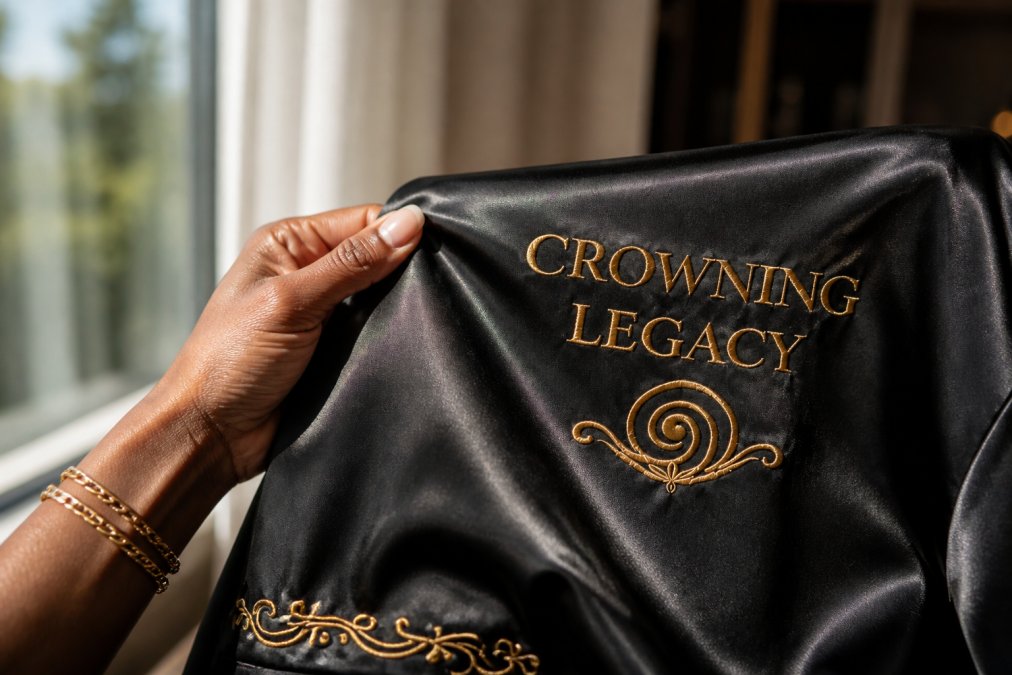
Pay attention to color depth as well. Genuine mulberry silk holds color richly and evenly, with dye appearing integrated into the fiber rather than painted on top. Cheap synthetics often show uneven dyeing or surface-level color.
The Touch and Temperature Test
Real silk has a specific tactile signature that develops from the protein structure of the fibroin. Genuine mulberry silk feels smooth but never slippery like polyester. When you run your fingers across real silk, there's a subtle catch, a gentle resistance from the natural filament texture. Polyester satin feels slick and plastic-like by comparison.

Temperature response is another crucial identifier. Hold the fabric against your skin. Real mulberry silk absorbs warmth from your body without feeling cold initially, then releases that warmth gradually. This is why silk is prized for sleepwear, especially for people experiencing perimenopause or postpartum temperature fluctuations (peer-reviewed research). Polyester feels inert and doesn't respond to body temperature.
A practical test: drape the fabric over your inner wrist for 30 seconds. Authentic mulberry silk will feel warm and comfortable almost immediately. Synthetic alternatives will feel cold or neutral. This temperature response is one of the most reliable tactile indicators of genuine silk because it's nearly impossible to fake at the fiber level.
Breathability also manifests through touch. When you hold real silk up to light, you can see the weave allows air to pass through. The fabric feels permeable in a way dense polyester does not. This breathability is essential for the comfort benefits that make mulberry silk worth the investment.
The Sound Test: The Silk Scrunch Method
One of the most underrated tests for identifying authentic mulberry silk is the sound it makes. Take a small section of fabric and gently scrunch it in your hand. Real mulberry silk produces a distinctive soft whispering or rustling sound called scroop, which comes from how individual silk filaments interact under pressure. The sound is subtle, refined, and almost musical.
Polyester satin produces a very different sound, either nothing or a harsh, artificial crackle. Rayon blends produce a dull, muffled sound. Once you've heard genuine silk's scroop, you'll recognize it immediately. Textile professionals use this test as part of their authentication process.
Premium 6A grade silk produces a more pronounced, pleasant scroop than lower grades because higher-grade silk has longer filament length and more consistent fiber composition. Perform this test in a quiet environment so you can hear the subtle sound clearly. When the luster test, touch test, and scrunch test all align, you can be confident you're holding genuine mulberry silk.
Understanding Momme Weight in Silk Quality
Momme weight is a critical specification for evaluating mulberry silk quality. It measures the weight in grams of fabric that is 45 inches wide and 100 yards long. Higher momme weight indicates a denser weave and more silk fibers, directly correlating with durability, longevity, and luxurious feel.
Authentic mulberry silk for garments typically ranges from 16 to 22 momme weight. Anything below 16 momme is lightweight and less durable. Anything above 22 momme enters premium territory, what you should seek for heirloom-quality pieces designed to be worn, inherited, and remembered.
The relationship between momme weight and price is direct. Higher momme weight silk costs more because there's more material. When you see suspiciously low prices on silk labeled as authentic, check the momme weight. If it's 12 momme or lower, you're likely looking at a blend or misrepresented product. Genuine 6A mulberry silk robes and bonnets typically fall in the 18-22 momme range.
Labels should always specify momme weight if the silk is authentic. This specification is standard textile labeling for quality silk products. If a seller doesn't mention it or claims it's "not important," that's a red flag. At Crowning Legacy by Ms. Carla, we specify momme weight because transparency about material quality is part of our commitment to ancestral elegance and generational care.
Momme weight also affects how fabric drapes and moves. Higher momme silk has a more substantial drape, flowing with weight and intention rather than clinging or floating. This is why luxury silk robes feel different from cheaper alternatives, the fabric has presence and moves with authority and grace.
Mulberry Silk vs. Satin: Key Differences
The confusion between mulberry silk and satin is one of the most common obstacles when identifying authentic silk. These terms describe different things.
Satin is a weave pattern, not a fiber type. It refers to a specific way of interlocking threads that creates a smooth, lustrous surface. Satin can be made from silk, polyester, nylon, rayon, or any fiber. When someone says "satin," they're describing construction method, not material.
Mulberry silk is a specific fiber, the natural protein produced by Bombyx mori silkworms fed exclusively on mulberry leaves (peer-reviewed research). This diet produces fiber with superior tensile strength, longer filament length, and more consistent protein structure than other silk varieties. Mulberry silk can be woven in any pattern, including satin weave.
Here's where deception happens: manufacturers make polyester satin and market it as "satin" or "silk-like satin." Polyester satin mimics silk's appearance but lacks breathability, hypoallergenic qualities, thermal regulation, and longevity.
Real mulberry silk woven in satin weave is what you want. This combines superior fiber properties with smooth, lustrous aesthetics. The result is fabric that looks beautiful, feels luxurious, and delivers actual health and comfort benefits.
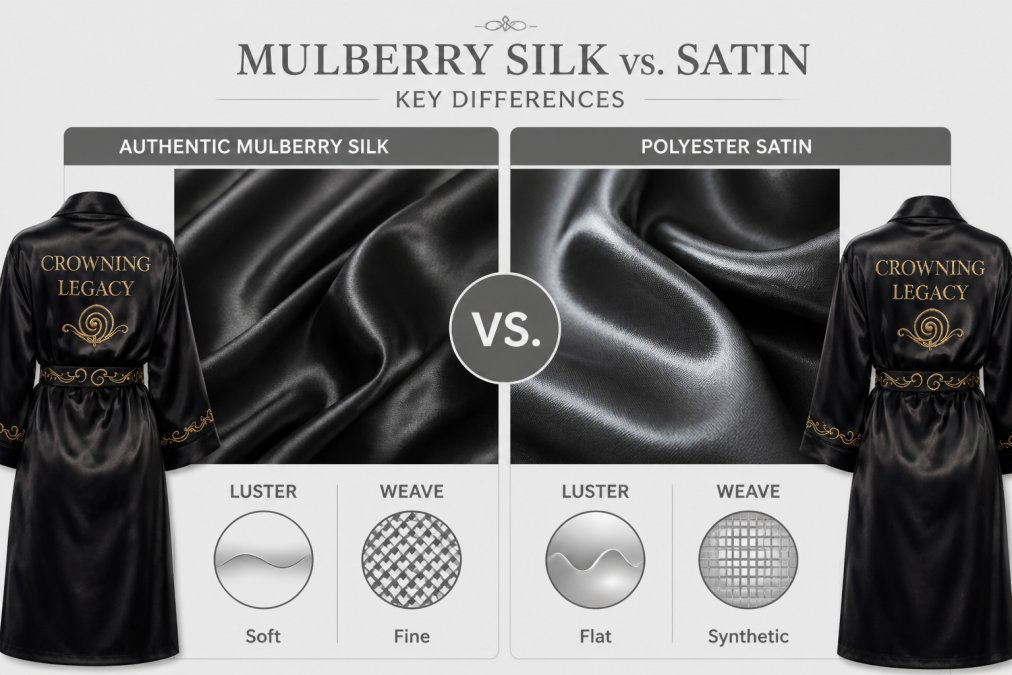
When reading labels, look for "100% mulberry silk" or "6A mulberry silk" rather than just "satin." If the label says "polyester satin" or "satin blend," you know it's not mulberry silk. Labels vague about fiber content are intentionally misleading. Transparency about material composition marks an ethical seller.
The price difference between mulberry silk and polyester satin is significant, and that gap is why counterfeiters exist. Polyester satin costs a fraction of genuine mulberry silk. If a product is priced like polyester but marketed as silk, the math doesn't work. Authentic materials cannot be sold at counterfeit prices.
How to Spot Fake Silk Products Through Label Reading
Your most powerful tool for identifying authentic mulberry silk before touching the fabric is learning to read labels correctly.
The first thing to look for is fiber content percentage. Authentic mulberry silk should be labeled "100% mulberry silk" or "100% silk." Anything less is a blend. If the label says "silk blend" or lists percentages like "60% silk, 40% polyester," you're not buying pure mulberry silk.
Grade designation is critical. The highest quality mulberry silk is labeled 6A grade. This grading system evaluates silk based on filament length, consistency, and color. 6A represents the longest filaments and most consistent quality. Lower grades indicate shorter fibers and more inconsistency. If the label doesn't specify grade, that's a warning sign.
Momme weight should appear on the label for any legitimate silk product. This specification tells you the density and weight of the fabric. If absent, the seller may be hiding information about material quality.
Look for OEKO-TEX standard certification on the label (oeko-tex.com). This international standard certifies that textiles have been tested for harmful substances and meet strict environmental and safety criteria. The presence of OEKO-TEX Standard 100 certification indicates authenticity and ethical manufacturing.
Country of origin matters as well. Genuine mulberry silk is primarily produced in China, India, Vietnam, and Thailand. Labels that don't specify origin or claim origin in countries not known for silk production are suspicious.
Care instructions should specify "hand wash" or "delicate wash" for authentic silk. If instructions suggest machine washing on normal cycles or harsh dry cleaning, that's inconsistent with genuine silk properties.
Ethical brands like Crowning Legacy by Ms. Carla provide detailed specifications because they stand behind their materials. Sparse, vague labels filled with marketing language instead of material facts are red flags.
The Burn Test and Chemical Verification
The burn test is an advanced method for identifying authentic mulberry silk. Real mulberry silk is a protein fiber. When burned, it produces the distinctive smell of burning hair or burning protein, an acrid, sulfurous odor. The ash is black and crumbly, easily crushed to powder. The burned area chars but doesn't melt.

Polyester and synthetics produce a different burn profile. They smell like burning plastic, a sharp chemical odor. When synthetic fibers burn, they melt and form hard, plastic-like beads. The ash doesn't crumble easily and often forms a hard, glossy bead at the burn site.
To perform this test safely, use a small piece of fabric no larger than one inch square. Hold it with tweezers over a flame in a well-ventilated area. Observe the smell, how the fabric burns, and the residue left behind. Never hold the fabric directly in your fingers while burning it.
The burn test is reliable because fiber chemical composition determines how it burns. You cannot fake this test with coatings or treatments. The fundamental protein structure of silk produces a specific burn signature that synthetics cannot replicate.
For practical purposes, the burn test combined with the luster test, touch test, and scrunch test gives you comprehensive assessment. If all four tests align, lustrous appearance, smooth tactile response with natural resistance, pleasant scroop sound, and protein-like burn characteristics, you can be confident you're holding authentic mulberry silk.
Price Point Analysis: Why Authentic Mulberry Silk Costs More
Understanding the economics of mulberry silk production explains why authentic pieces carry premium prices and why suspiciously cheap silk is almost always counterfeit.
Genuine mulberry silk production is labor-intensive and material-intensive. Bombyx mori silkworms must be fed exclusively on mulberry leaves. Cultivation of mulberry trees, breeding and care of silkworms, harvesting cocoons, and processing raw silk into usable fiber all require skilled labor and careful attention to quality. This process cannot be rushed or mechanized without compromising fiber quality.
The filament length of premium 6A mulberry silk is significantly longer than lower grades or alternative fibers. Longer filaments mean fewer joins in yarn, translating to stronger, more lustrous, more durable fabric. This superior fiber quality directly justifies higher prices.
Processing and certification add cost as well. Legitimate manufacturers test silk for OEKO-TEX compliance, verify momme weight, and maintain quality control throughout production. These processes are expensive but necessary.
When you see silk robes or bonnets priced at a fraction of authentic mulberry silk costs, either the seller is misrepresenting the material or selling lower-grade silk under a premium brand name. Neither represents actual value.
Crowning Legacy by Ms. Carla's pieces are priced to reflect actual material cost and craftsmanship. The Royal Wrap™, Luxury Mulberry Silk Robe is $280.00, The Whispered Crown™, Luxury Mulberry Silk Bonnet is $95.00, and The Legacy Set™, Mulberry Silk Crown & Royal Wrap Bundle is $333.00. These prices reflect genuine 6A mulberry silk, careful construction, and commitment to generational care.
Cheap silk products typically use lower-grade mulberry silk, synthetic blends, or pure polyester marketed deceptively. The price difference reflects real differences in material quality, durability, and actual benefits you'll experience. Authentic mulberry silk will outlast and outperform cheaper alternatives by years, making the higher initial investment economically rational.
Identifying authentic mulberry silk protects your investment and ensures you're getting the comfort and quality benefits you're paying for. The luster test, touch test, sound test, and label verification give you reliable tools to distinguish genuine mulberry silk from counterfeits. When you invest in authentic pieces like those crafted by Crowning Legacy by Ms. Carla with 6A mulberry silk and ancestral elegance, you're choosing material that will serve you for years, support your body through life's transitions, and become a legacy piece worth inheriting. Add a genuine mulberry silk robe or bonnet to your collection and experience the refined comfort that only authentic silk delivers.
Frequently Asked Questions
What is the burn test for mulberry silk, and how do I perform it safely?
The burn test involves carefully holding a small fabric sample to a flame to observe how it burns. Authentic mulberry silk chars slowly and smells like burning hair (keratin protein), leaving a black ash residue that crumbles. Synthetic fibers like polyester melt and smell chemical. Always perform this test in a well-ventilated area, use tweezers to hold the sample, and have water nearby. Never test on finished garments, use only a small thread or hidden seam sample.
How can you tell if silk is high quality by the momme count?
Momme weight measures silk density and thickness per 100 yards of fabric. Higher momme weight indicates better quality and durability. Authentic mulberry silk for garments typically ranges from 16 to 22 momme weight. Anything above 22 momme enters premium territory, what you should seek for heirloom-quality pieces designed to be worn, inherited, and remembered. Lower momme weights (under 16) feel flimsy and are more prone to tearing. Check product labels or ask sellers for momme specifications before purchasing.
How does real mulberry silk feel compared to satin?
Authentic mulberry silk feels smooth, cool, and slightly textured with a subtle grip when you run your fingers across it. It has a natural protein fiber composition that creates a soft scrunch sound when compressed. Polyester satin feels slippery, plasticky, and produces no scrunch sound. Mulberry silk also regulates temperature naturally and feels cooler against skin, while satin tends to feel warmer and can trap heat. The tactile difference becomes obvious once you've handled both.
What certifications should I look for to verify authentic mulberry silk?
Look for the OEKO-TEX Standard 100 certification, which verifies that textiles meet strict safety and environmental standards. The label should state '100% Mulberry Silk' with the momme weight listed. Reputable sellers provide transparency about fiber sourcing and filament length. Crowning Legacy by Ms. Carla's pieces, like The Royal Wrap™ and The Whispered Crown™, feature 6A grade mulberry silk with detailed specifications to ensure authenticity and quality.
This article was written using GrandRanker