


Table of Contents
- How Silk Reduces Friction on Hair While You Sleep
- Why Mulberry Silk Is Better Than Satin for Hair Protection
- The Science Behind Hair Breakage During Sleep
- Benefits of Wearing a Silk Bonnet to Bed
- How to Prevent Hair Breakage While Sleeping
- Choosing Quality Mulberry Silk: What to Look For
- Conclusion
Last Updated: August 26, 2026
How Silk Reduces Friction on Hair While You Sleep
Does silk prevent sleep hair breakage? Yes. Friction is the primary culprit behind overnight hair damage. Cotton and synthetic pillowcases have rough surfaces that tug at hair shafts, causing breakage and weakening the hair cuticle. Silk's naturally smooth fiber structure allows hair to glide across the surface rather than catch and pull.
Cotton pillowcases have a woven texture that grabs individual strands throughout the night. Every head movement creates friction that disrupts the cuticle layer, the protective outer layer of your hair shaft. Over weeks and months, this repeated mechanical damage accumulates, leading to visible breakage, split ends, and loss of elasticity.
Mulberry silk works differently. The fiber is inherently smooth at the molecular level, so hair experiences minimal resistance during sleep. This reduced friction translates directly into less mechanical damage to the hair shaft and cuticle. When friction is minimized, your hair maintains moisture, retains elasticity, and resists tearing.

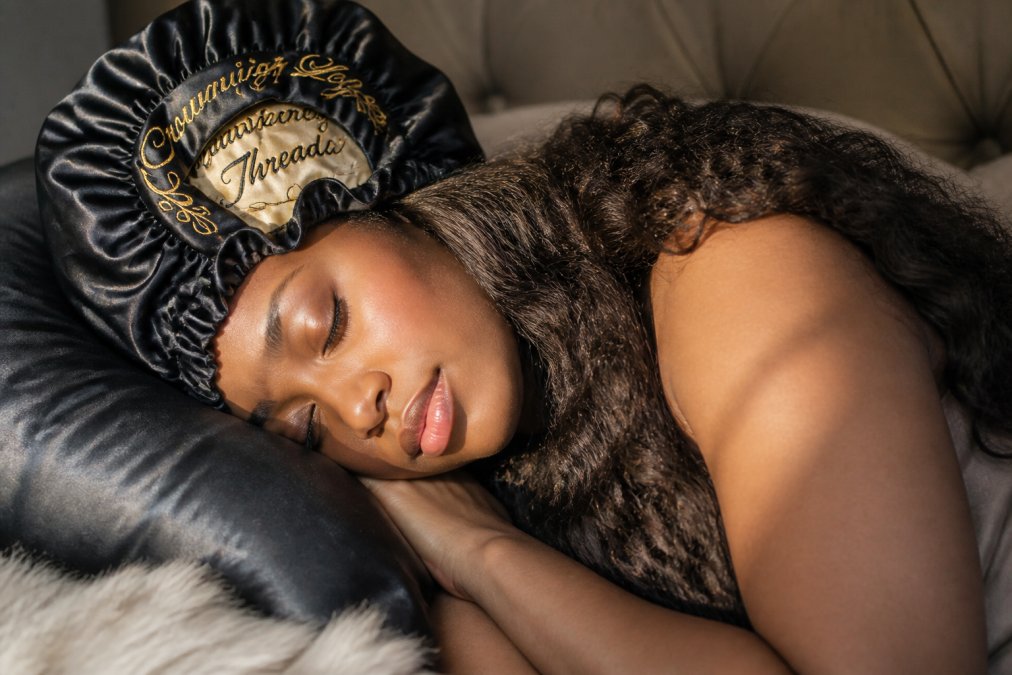
Smoother surfaces mean less damage, a measurable physical property that dermatologists and hair care professionals recognize. This is why silk is recommended for anyone concerned with hair integrity.
Why Mulberry Silk Is Better Than Satin for Hair Protection
Many people confuse mulberry silk with satin, assuming they offer similar benefits. Mulberry silk is a natural protein fiber produced by silkworms, while satin is a weave pattern that can be applied to various materials, including synthetic polyester or nylon.
This distinction matters enormously for hair health. Natural mulberry silk has inherent properties that synthetic satin cannot replicate. Mulberry silk naturally regulates moisture and temperature because it's a protein fiber with hygroscopic qualities, it can absorb and release moisture without feeling damp (peer-reviewed research). Synthetic satin, made from polyester or nylon, lacks this capability and can trap heat and moisture against your scalp, potentially leading to increased sebum buildup and irritation.
Mulberry silk is also gentler on the hair cuticle because of its protein structure. The fiber has natural smoothness that doesn't degrade over time or washing cycles. Synthetic satin gradually becomes less smooth with repeated use, increasing friction and reducing protective benefits. For long-term hair health, this durability difference is substantial.
While synthetic satin may seem budget-friendly, it doesn't deliver the same friction reduction or longevity. If your goal is genuine hair breakage prevention, mulberry silk performs because of fundamental material science, not marketing.
The Science Behind Hair Breakage During Sleep
Hair breakage during sleep occurs through mechanical stress and environmental factors. Your hair shaft has three layers: the cuticle (outer protective layer), the cortex (where strength comes from), and the medulla (inner core). The cuticle is composed of overlapping scales that lie flat when healthy. Friction pulls at hair throughout the night, lifting and separating these scales and exposing the cortex underneath. Repeated friction breaks down cortex proteins, leading to weakening, breakage, and split ends.
Tangling compounds the problem. When hair tangles against a rough pillowcase surface, the mechanical action of moving your head while tangled creates additional stress on the hair shaft. This is why textured hair experiences more dramatic breakage on cotton pillowcases, the hair texture combined with fabric friction creates a compounding effect.
Temperature and moisture also play a role. Cotton pillowcases absorb moisture from your hair and scalp, potentially drying out the hair shaft overnight. Dry hair is more brittle and prone to breakage. Mulberry silk maintains hair hydration by reducing moisture loss and allowing sebum, your hair's natural protective oil, to distribute evenly along the hair shaft.
Silk provides overnight protection on multiple levels: it reduces mechanical friction, maintains moisture retention, prevents tangling, and preserves the hair cuticle's protective structure. Consistent silk use produces visible improvements in hair health over time.
Benefits of Wearing a Silk Bonnet to Bed
A silk bonnet creates a controlled environment around your entire head, taking friction reduction further than a pillowcase alone. Rather than relying on hair staying in contact with a silk pillowcase, which can shift during the night, a silk bonnet keeps all hair contained against a smooth silk surface throughout your sleep cycle.
The primary benefit is consistent hair protection. Your hair stays in place, preventing tangling and friction that occurs when loose hair moves around on the pillow. For people with textured hair, this is particularly valuable. A well-fitted silk bonnet prevents hair from rubbing against cotton sheets or pillowcases, which would otherwise cause breakage, especially at the edges and ends.
A silk bonnet also preserves your hairstyle overnight. If you've created a blowout, twist-out, braid pattern, or other styling, a silk bonnet maintains that style so you wake with your hair largely intact. This reduces the need for heat styling the next day, which itself causes hair damage. The styling longevity gained from a silk bonnet means less frequent heat exposure and healthier hair overall.
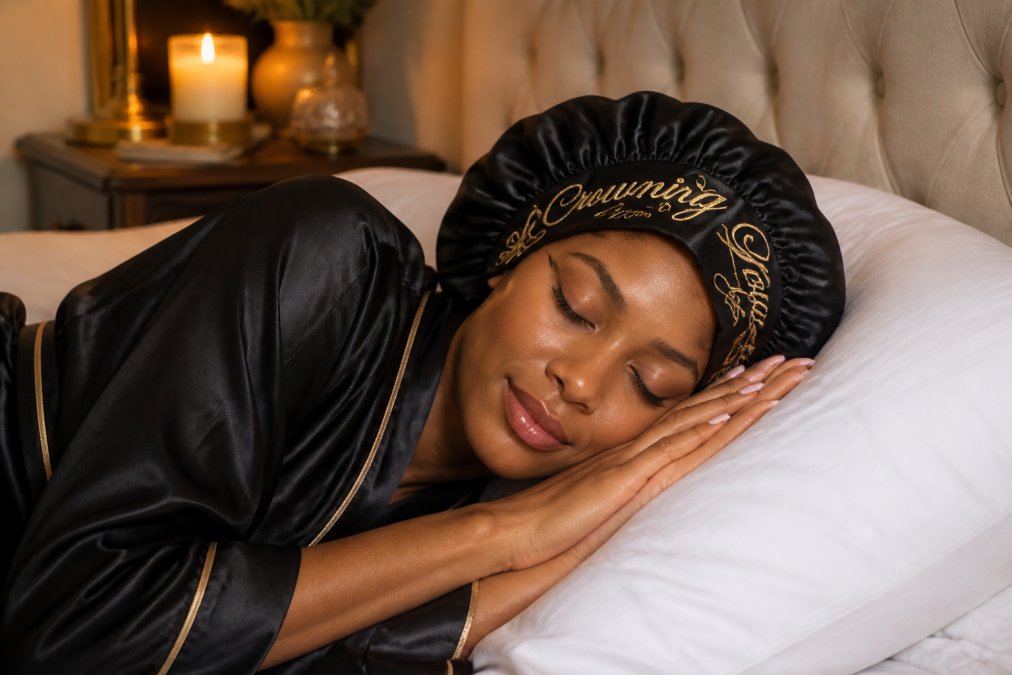
For those experiencing postpartum hair changes or perimenopause-related shifts in hair texture and thickness, a silk bonnet provides gentle overnight protection during a vulnerable time. Postpartum hair is often more fragile due to hormonal changes, and the friction-free environment of a silk bonnet minimizes additional stress on already-compromised hair.
Mulberry silk naturally breathes better than cotton, helping prevent heat and moisture buildup that can lead to scalp irritation or increased sebum production. For anyone dealing with postpartum skin sensitivity or perimenopause-related skin changes, this breathability matters.
How to Prevent Hair Breakage While Sleeping
Preventing sleep-related hair breakage requires a multi-layered approach. Switching to silk is the foundation, but additional practices amplify the protective benefits.
Start with a silk pillowcase or bonnet. This is the primary intervention. A 22-momme mulberry silk pillowcase or bonnet creates the friction-free environment your hair needs overnight. The Whispered Crown™ Luxury Mulberry Silk Bonnet from Crowning Legacy by Ms. Carla is designed specifically for this purpose, with double-layer 22-momme mulberry silk that provides both durability and consistent friction reduction throughout the night.
Detangle before bed. Gently detangle your hair using a wide-tooth comb or detangling brush before putting on your bonnet or laying your head on a silk pillowcase. This removes existing tangles and reduces the likelihood of hair breakage during the night.
Apply a lightweight leave-in conditioner or hair oil. A hydrating product applied before bed helps maintain moisture retention overnight. The combination of silk's natural moisture-preserving properties and a good leave-in product creates optimal conditions for hair health.
Avoid tight hairstyles at night. Braids, buns, or ponytails that are too tight create tension on your hair and scalp. If you do style your hair before bed, keep it loose or use a silk scrunchie.
Consider your sleep position. Sleeping on your back or side rather than your face can reduce pressure and friction on your hair, particularly relevant for textured hair prone to tangling.
Maintain consistent silk use. The benefits of silk accumulate over time. Consistent nightly use produces the most dramatic improvements in hair health.
| Prevention Method | Primary Benefit | Best For | Consistency Needed |
|---|---|---|---|
| Silk pillowcase | Friction reduction | General hair care | Every night |
| Silk bonnet | Complete hair containment + style preservation | Textured hair, styled hair | Every night |
| Pre-bed detangling | Prevents overnight tangling | All hair types | Nightly |
| Leave-in conditioner | Moisture retention | Dry or damaged hair | Nightly |
| Loose hairstyles | Reduces tension breakage | All hair types | Every night |
Choosing Quality Mulberry Silk: What to Look For
Not all silk is created equal. Understanding how to identify genuine, high-quality mulberry silk is essential for getting the hair protection you're paying for.
The first indicator is momme weight. Momme measures silk weight and density. Higher momme indicates more densely woven silk with better durability and friction reduction. For hair and skin care applications, 22-momme mulberry silk is the gold standard. This weight provides optimal smoothness while remaining durable enough to withstand regular washing and years of use. Lower momme weights are thinner and less protective; higher weights are unnecessarily heavy for bonnets or pillowcases.
Grade matters significantly. Grade 6A is the highest grade available, indicating the purest, most consistent silk fibers with minimal irregularities. This grade delivers the smoothest surface and the best friction reduction.
Verify that the product is 100% mulberry silk, not a blend. Blended fabrics don't deliver the same benefits. The synthetic components introduce friction points and reduce the natural moisture-regulating properties that make pure mulberry silk protective.
Double-layer construction is a quality indicator worth noting. A double-layer bonnet or pillowcase provides additional durability and maintains smoothness longer than single-layer silk. Crowning Legacy by Ms. Carla's Whispered Crown™ bonnet uses double-layer 22-momme Grade 6A mulberry silk, built for longevity and consistent performance.
Check for proper finishing. Quality silk products have reinforced seams, finished edges, and secure closures. Poor finishing leads to fraying and premature degradation. A well-finished silk bonnet maintains its integrity through hundreds of washes.
Conclusion
Does silk prevent sleep hair breakage? Yes. When you use genuine, high-quality mulberry silk, the friction reduction created by smooth silk fibers directly translates into less mechanical damage to your hair shaft and cuticle. Combined with silk's natural moisture-regulating properties and its ability to maintain hairstyles overnight, mulberry silk becomes a foundational practice for anyone serious about hair health.
The difference between silk and cotton is measurable and visible over time. Your hair's health during sleep depends on the surface it contacts and the friction it experiences. Switching to mulberry silk addresses the root cause of sleep-related breakage rather than trying to repair damage after it occurs.
Protecting your hair overnight is one of the highest-return investments in your overall hair health. Crowning Legacy by Ms. Carla's The Whispered Crown™ Luxury Mulberry Silk Bonnet combines genuine 22-momme Grade 6A mulberry silk with thoughtful design to deliver the friction reduction your hair needs. Invest in your hair's longevity, add The Whispered Crown™ to your nightly routine and experience the difference that ancestral elegance and superior materials can make. Learn more about silk care and hair health
Frequently Asked Questions
Q: Does sleeping on silk actually prevent hair breakage?
A: Yes. Silk prevents hair breakage by reducing friction between your hair and the pillow. Cotton and synthetic materials create mechanical damage as your hair rubs against them throughout the night. Silk's smooth fiber surface allows your hair to glide without snagging, protecting the hair shaft and cuticle from damage. This friction reduction is especially important for textured, coily, or damaged hair that's more prone to breakage.
Q: Is mulberry silk better for hair than satin?
A: Mulberry silk outperforms synthetic satin for hair health. Genuine mulberry silk has naturally smooth fibers that reduce friction without trapping moisture, while synthetic satin can create static electricity and restrict breathability. Mulberry silk also maintains its smoothness longer, high-grade options like 22 momme silk retain their protective properties through many wash cycles. Satin alternatives often degrade quickly, losing their slip and increasing friction over time.
Q: How does a silk bonnet protect hair while sleeping?
A: A silk bonnet creates a protective barrier between your hair and the pillow, eliminating friction-caused breakage and tangles. Unlike cotton pillowcases that absorb moisture from your hair and scalp, silk bonnets maintain your hair's natural hydration and sebum distribution. They also preserve styling longevity, your blowout, braids, or waves stay intact overnight. For textured hair, a well-fitted bonnet prevents the hair cuticle from lifting and shedding while you sleep.
Q: What should I look for to ensure I'm buying real mulberry silk?
A: Check for Grade 6A mulberry silk with a momme weight of at least 22 momme, this indicates superior quality and durability. Real mulberry silk feels smooth and cool to the touch, never sticky or plasticky. Verify that the product is labeled 100% mulberry silk, not synthetic satin blends. High-quality pieces like The Whispered Crown™ bonnet are crafted from genuine Grade 6A mulberry silk and designed to be inherited, lasting years with proper care.
This article was written using GrandRanker